Supporting Children's Safety, Health, Nutrition and Wellbeing
Safe, healthy, and joyful spaces where children thrive every day.
Welcome
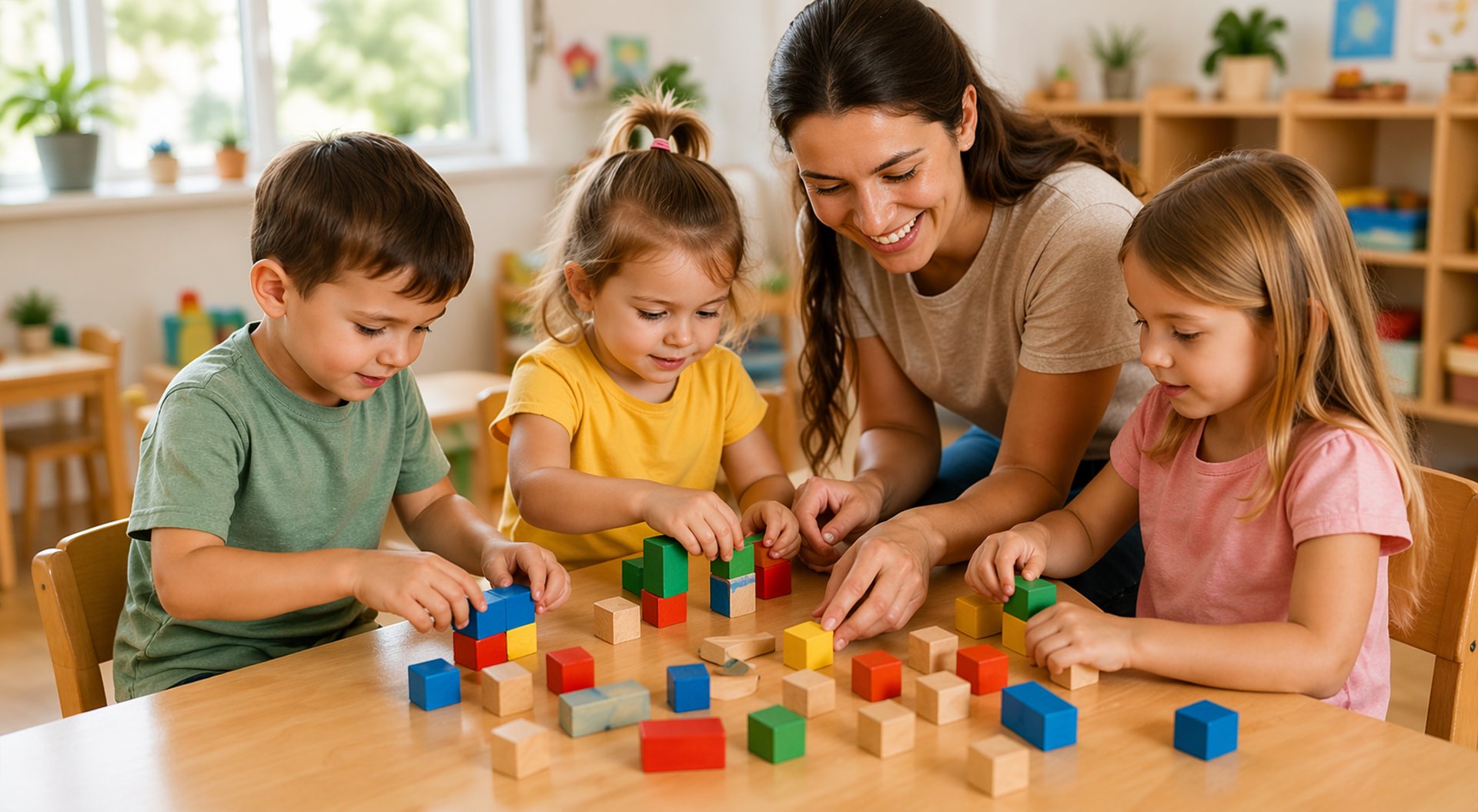
The early years are foundational years for children’s development, learning and wellbeing. During these years, early childhood teachers nurture and care for children so they feel safe, are healthy, nourished, respected and able to flourish (AGDE, 2022; ACECQA, 2018).
In this section you will learn how early childhood teachers ensure children are safe, healthy and nourished through everyday practices. Educators implement processes based on the National Quality Framework along with the Early Years Learning Framework (EYLF v2.0) and the Australian Professional Standards for Teachers to provide responsive, inclusive and high-quality learning experiences for children in their care (AGDE, 2022; AITSL, 2022; ACECQA, 2018).
Healthy routines, positive relationships, nutrition practices, nourishing experiences and play-based learning allow children to establish healthy habits and feel confident, resilient, belong and be well (AGDE, 2022; ACECQA, 2018).


Our Commitment
Child's Safety First
Ensuring each child’s safety and well-being by way of purposeful supervision, risk management, child protection policies, and procedures and emergency management.



Health and Wellbeing
Supporting physical and emotional wellbeing and healthy daily rhythms such as hygiene, rest/sleep, movement, hydration, and wellness practices.
Nutrition
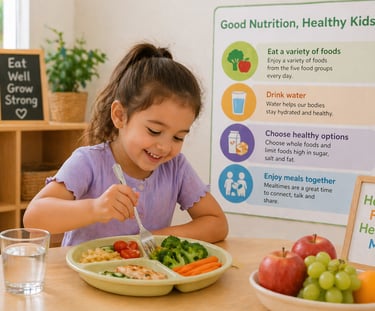
Guiding children’s food and beverage selections, mindfulness at mealtimes, food safety practices and positive eating behaviours to enhance children’s health and lifelong wellness.
Professional Practice
Meeting legal obligations, moral responsibilities and professional standards through reflective practices and evidence-based practices to enhance outcomes for all children.
How Educators Support Children Everyday
Safe Environments
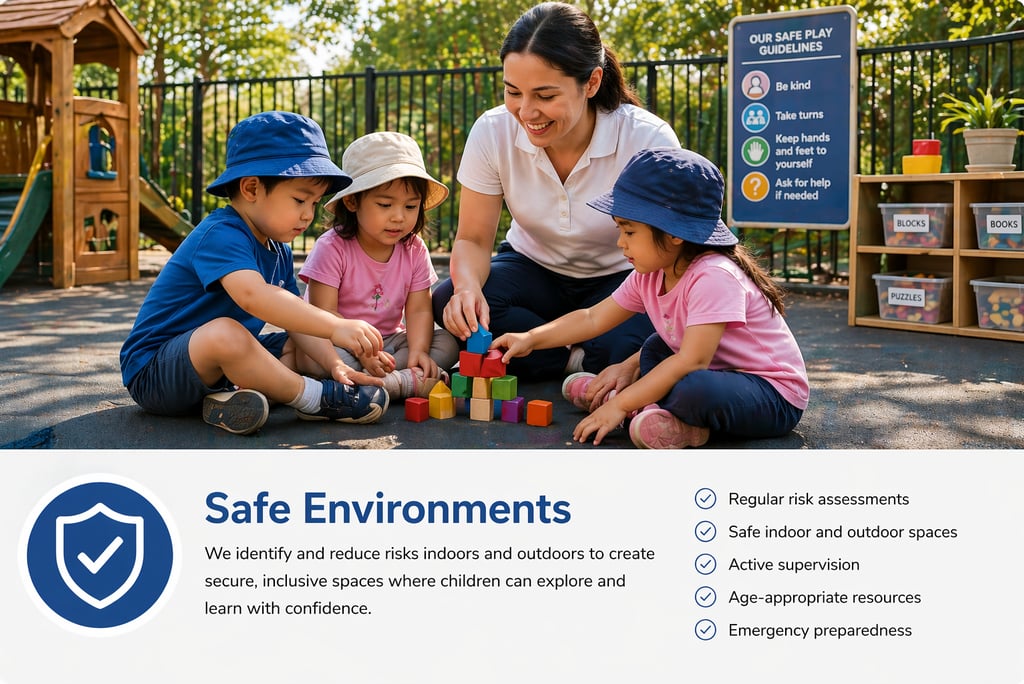
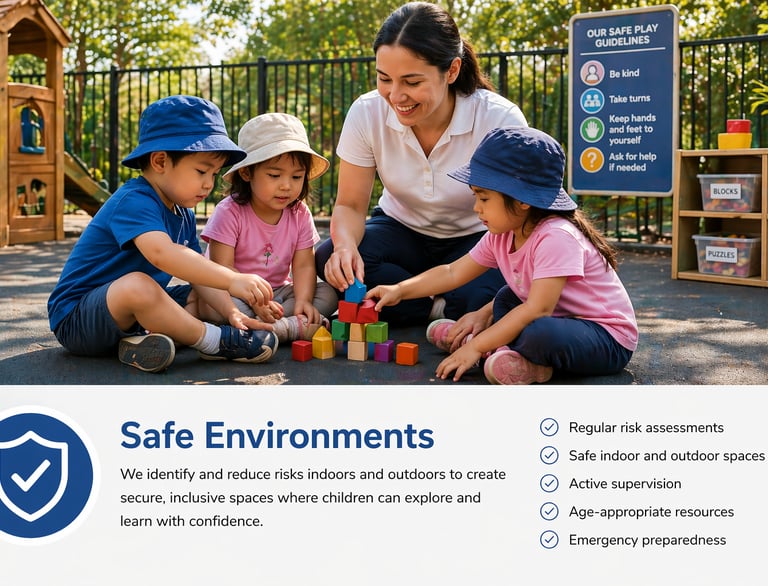
Educators recognise and minimise hazards in indoor and outdoor environments, to ensure children can explore, play and learn without worry. Through daily checks, safe resources and careful planning educators promote children’s wellbeing.
Responsive Relationships
Healthy Routines
Learning through Play
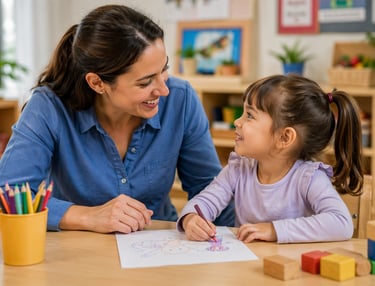
Children are supported to feel safe when they trust those around them. Educators promote children’s confidence and sense of belonging through respectful, responsive communication and by encouraging emotional security.
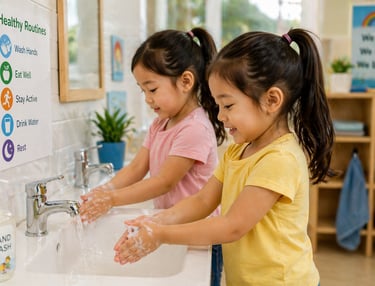
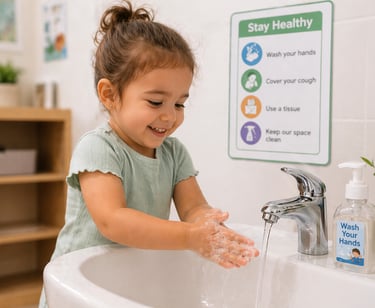
Educators understand the importance of washing hands, eating nutritious food and regular movement, rest and hydration for children’s physical wellbeing Each day, predictable routines promote feelings of safety and wellbeing and help children develop healthy habits that will last a lifetime.
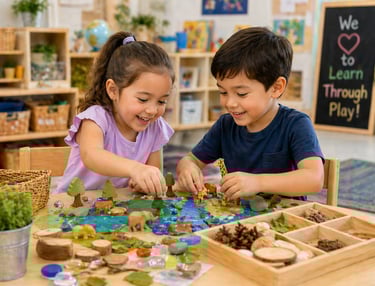
Educators use play-based experiences to create meaningful learning about safety, healthy eating, problem solving, talking and asking for help. Children develop confidence and independence when they play.
Why Early Childhood Wellness Matters
The Early Years is a critical time for physical growth, brain development, emotional wellbeing and laying the foundations for lifelong health. Children grow and develop foundational skills for learning, building relationships, developing confidence and regulating emotions (AGDE, 2022; Shonkoff & Phillips, 2000).
Safety, health and nutrition play a large role in children’s ability to learn and thrive. Children feel safe and confident to explore and participate when they feel safe. Wellness through hygiene, rest, movement and emotional encouragement allows children to concentrate and get involved. Eating nutritious food helps children to grow, have energy, develop brains and encourages healthy habits (AGDE, 2022; Australian Government Department of Health, 2013).
Childcare professionals support children’s wellness daily by creating safe routines, building responsive relationships and teaching inclusively. Early childhood educators follow many guidelines to ensure they are providing the best care. This includes The National Quality Framework, the EYLF v2.0, The National Quality Standard and the Australian Professional Standards for Teachers (AGDE, 2022; ACECQA, 2018; AITSL, 2022).
By helping children in their early years with their wellness we can help give them strong foundations for learning, health and future success.

Explore Key Areas of Practice
Safety
Duty of care and active supervision
Risk assessment and hazard management
Child protection and wellbeing
First aid and emergency procedures
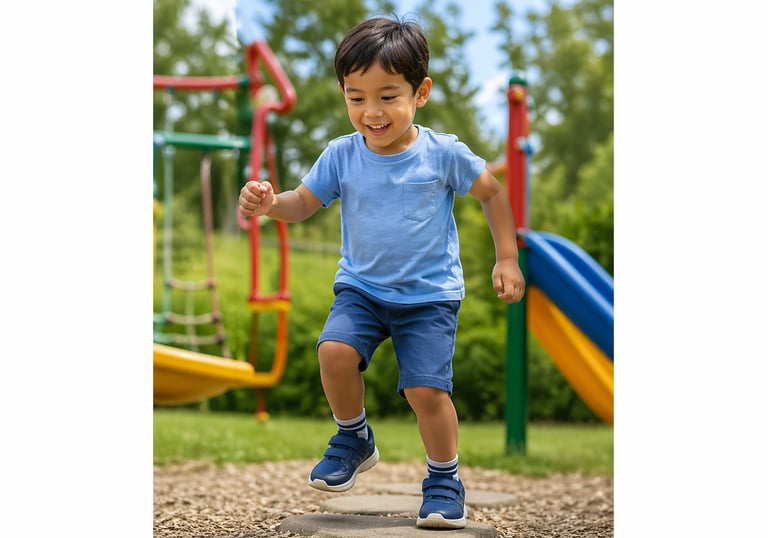
Safe indoor and outdoor environments
Health
Hygiene and infection control
Illness management and exclusion
Medication and medical conditions
Physical activity, rest and sleep
Emotional wellbeing and mental health
Healthy eating guidelines
Meal planning and food groups
Safe food handling and storage
Cultural and inclusive mealtimes
Nutrition education and experiences
Nutrition
Get In Touch With Us
info@childwellnesshub.com